Earthing Grounding Rods: Installation & Best Practices
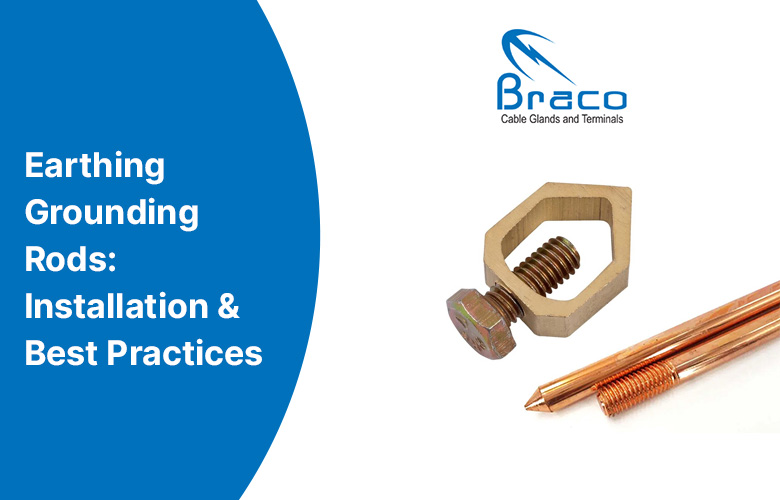
Earthing systems, whether it be on your industrial site, in your commercial property or your home, are not simply a requirement from a technical standpoint, they are a necessity to keep you and others safe. Earthing safely allows potential excess current to dissipate into the earth if there was a fault, and keeps you safe from electric shock, fire and even equipment damage. The point at which an earthing system connects to the earth is known as a grounding rod. This article will present grounding rods for earthing, how they function, how to properly install one, and the best recommendations for making sure your earthing system is safe and effective.
What is a Grounding Rod and Why is it Important?/h4>
Grounding rod, or ground rod, is an earth rod or earthing electrode and is a metal rod that is driven into the earth and provides a connection between your electrical system to the earth. The grounding rod is intended to provide fault current an easier path to the earth without causing damages. In the case of lightning strikes, or if there were a short circuit, the grounding rod will safely provide a way to direct electrical energy (voltage) away from the structure, equipment, and most importantly you! Without proper electrical earthing, any of those incidents could produce deadly effects, expensive equipment failures, and/or unsafe situations.
Grounding rods are typically made from materials like:
● Copper-bonded steel rods – combining strength with superior conductivity and corrosion resistance.
● Galvanised steel rods – cost-effective and durable for general-purpose installations.
● Pure copper rods – used in high-performance systems and regions with highly corrosive soil conditions.
The Role of Earthing in Electrical Safety
Earthing is a global safety system in terms of stability of voltages, a reference in the design of electrical circuits, and keeping all exposed conductive components (such as enclosures and housings) from hazardous voltages during an insulation failure.
Electricity codes implemented in India, (IS 3043:2018) Code of Practice for Earthing, and across the world (IEC 60364), places emphasis on the importance of earthing as an integral component of electrical installations. Be it in a high-rise building, switchyard or domestic distribution system, it is important to have adequate earthing that is designed and installed with suitable earthing rods for operational integrity.
How Grounding Rods Work
Where a fault exists, you will always have electrical current following the path of least resistance. The grounding rod provides that safe path, by carrying fault current into the earth and dispersing the current.
A well-designed earthing system:
● Has low resistance to ground for the electrical installation;
● Maintains voltage levels during fault conditions;
● Provides protection against lightning strikes and transients;
● Improves electrical performance and equipment life.
Types of Grounding Rods for Earthing
Selecting the right grounding rod depends on soil resistivity, environmental conditions, and the size of the electrical system. Common types include:
Copper-Bonded Ground Rods
○ Steel core coated with a thick layer of copper.
○ Excellent corrosion resistance.
○ Ideal for industrial and commercial applications.
○ Offers high conductivity with long service life.
Galvanised Steel Ground Rods
○ Coated with a layer of zinc to prevent corrosion.
○ Suitable for dry or moderately corrosive soil conditions.
○ Economical and easy to install.
Solid Copper Ground Rods
○ 99.9% pure copper.
○ Used in areas with high soil resistivity or aggressive chemical environments.
○ Provides the highest conductivity and corrosion resistance.
Chemical Earthing Electrodes
○ Filled with conductive compounds and salts.
○ Maintain consistent resistance over time.
○ Require minimal maintenance, making them ideal for critical installations.
Installation Procedure: Step by Step
The right way to install a grounding system is the key to how well it will function. Here is a general step-by-step method:
Site Selection:
Select a site with low soil resistivity (moist clay or loam are the best). Do not site your grounding system near rocky or sandy soil.
Rod Driving:
Drive the grounding rod vertically deep into the ground using either a hammer or a power driver; try to get at least 90% of the rod's length (preferably all of it) below ground to achieve better conductivity.
Connection to the Earthing Conductor:
Using copper clamps or exothermic welding, connect the earthing conductor (usually better if it's a copper or aluminium strip) securely and firmly to the grounding rod, if an earthing conductor IS used. In particular, loose fittings or corroded wire or strip cannot help provide effective grounding
Moisture Enhancement (if needed):
If your soil is relatively dry, it is recommended that you use a ground-enhancement material (GEM) such as bentonite or conductive concrete and apply it to and/or in the vicinity of the grounding rod to help lower the soil's resistance to improve performance.
Testing :
Please test the resulting earth resistance with an earth tester or megger after you have completed installation. The ideal earth resistance value should be below 1 ohm if critical and below 5 ohms for general applications.
Common Mistakes to Avoid
● Installing grounding rods in dry or rocky soil without proper treatment.
● Using undersized or uncoated conductors.
● Ignoring periodic testing or maintenance.
● Neglecting corrosion protection, especially in coastal or industrial areas.
● Overlooking the importance of using approved earthing accessories and clamps.
Final Thoughts
A proper and adapted earthing system will preserve electrical safety. Ground rods are critical in preserving lives, property and equipment against electrical events. If installation procedures and good practices are followed, and high-quality, durable materials are purchased from reputable manufacturers like Braco Electricals, organisations can safeguard themselves for the long-term. This gives the organisation peace of mind and is compliant, whether in India or anywhere in the world.