A Step-by-Step Guide to Crimping Copper Terminals Like a Pro
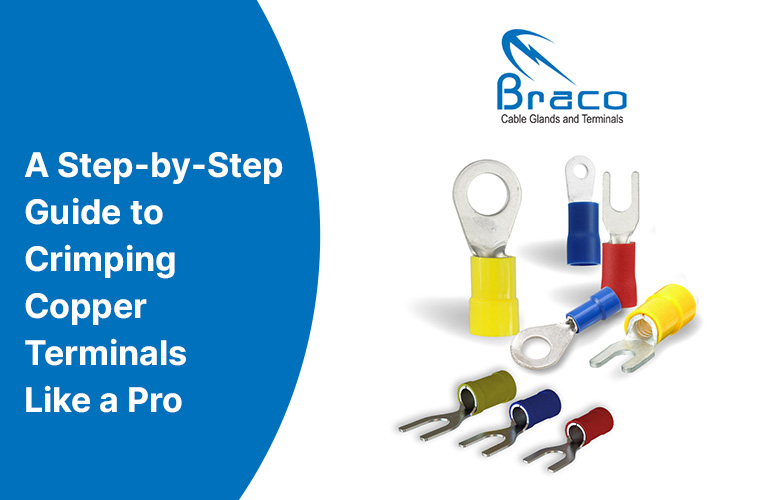
In the electrical industry, reliability begins with connections that are trusted and secure. One of the safest and proven methods to create reliable connections is by crimping copper terminals. From home wiring to large industrial installations, copper terminals deliver safety, efficiency, and reliability. This article will step through the simple process that will take electricians and technicians from a novice to crimping like a professional
Why Choose Copper Terminals?
All copper terminals are preferred electrical connection method due to its high conductivity and low resistance, durability, and corrosion resistance. Crimped copper terminals deliver:
● Low resistance connection that prevents the buildup of heat.
● Mechanical strength to resist vibration and force.
● Longevity when used in industrial and outdoor environments.
For our customers in India and around the globe, copper terminals continue to be a vital part of a dependable electrical system.
Tools Required for Crimping
Before getting started, it is essential that the tools and materials are readily available:
1. Copper terminals, with respect to size, to fit the cable.
2. Basic cable stripper to remove insulation.
3. Crimping tool (manual, hydraulic, or pneumatic). Manual crimping tools are sufficient for most installations, for industrial and heavy duty installers a hydraulic or pneumatic tool will produce higher consistency.
4. Heat shrink tubing or insulation tape for final connection protection. While conductors can be crimped without heat shrink or insulation tape, they must be insulated from any touchable surface.
There are several tools and techniques that may be used to produce a crimped connection; however the tool needed is the most important due to the way it will assure consistency and reduction of a weak connection.
Step by Step Guide on Cripping
Choose the Correct Terminal
Use a copper terminal that fits the conductor size. If the terminal is too large or too small, safety and conductivity will be compromised.
Strip the Cable Insulation
With the appropriate cable stripper, remove the insulation without nicking the conductor strands. The exposed copper should be of the same length as the terminal barrel.
Insert the Conductor
Insert the stripped conductor into the copper terminal until it reaches the barrel. Make sure all strands are securely inserted into the lug.
Position the Crimping Tool
Put the terminal into the proper die of the crimping tool. Careful positioning is required in order to ensure a uniform compression.
Crimp it
Squeeze the crimping tool until the barrels is squeezed into the conductor. You may need to use a hydraulic or pneumatic crimper for larger conductors and if so, you may also have to crimp multiple times.
Inspect the Connection Visually check for a proper crimp and test by giving a gentle pull on the wire. The terminal and wire should not move or loosen under stress.
Insulate To waterproof the crimp from moisture, dust, and mechanical wear and tear, use heat shrink tubing, or insulation tape to cover the crimped area.
Common Mistakes to Avoid
Using the wrong size terminal or crimping die.
1. Stripping too much or too little insulation.
2. Applying uneven pressure while crimping.
3. Skipping insulation protection.
Avoiding these mistakes ensures maximum efficiency and safety in your electrical connections.
Applications Across Industries
Crimped copper terminals are used across:
● Power distribution panels
● Automobiles and heavy machinery
● Renewable energy systems (solar and wind)
● Construction and industrial wiring
From small residential projects in India to large industrial applications worldwide, crimp copper terminals remain indispensable.
Conclusion
Crimping copper terminals is not just a technical step. It’s about making electrical systems safe, efficient, and long-lasting. By using the right tools, techniques, and safety precautions, professionals can count on reliable connections every time they crimp terminals. For quality copper lugs and terminals, well-established manufacturers like Braco Electricals supply the industry with high-quality electrical terminals and lugs that are compliant with global standards.